Adult reading lesson, photo essays: Wellspring Inspiration


The Welland Canal
Engineering a Path Around Niagara Falls - Photo Essay Layout Plan
In the early 1800s, William Hamilton Merritt, a mill owner in St. Catharines, proposed building a canal that would connect Twelve Mile Creek to the Welland River. His goal was simple but ambitious: bypass Niagara Falls so ships could move safely between Lake Ontario and Lake Erie.
The canal that followed transformed the Niagara region into an important transport corridor. Today visitors can explore historic canal routes, modern locks, and watch ocean-going ships rise and fall between the Great Lakes.
|
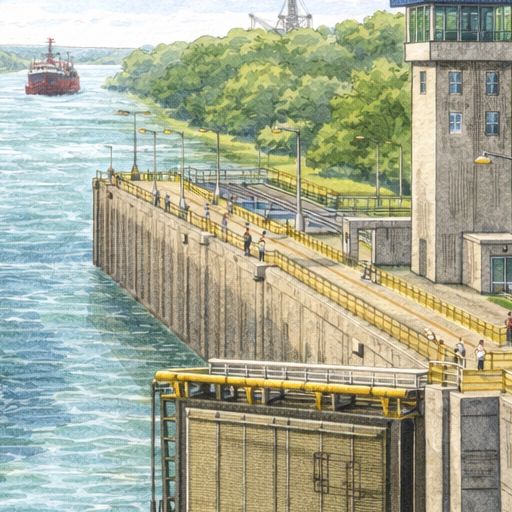
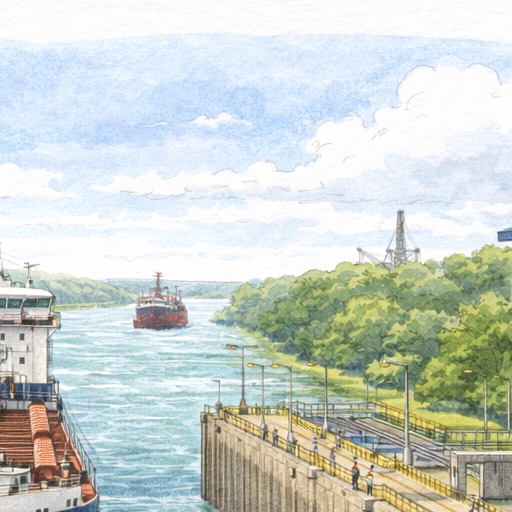
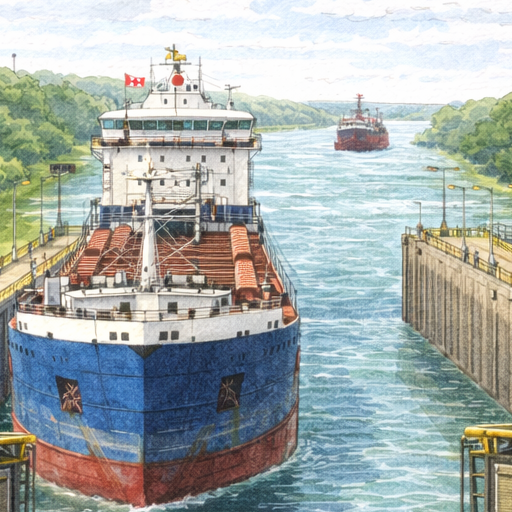
A concise and engaging title that captures the essence of the essay.Introduction: A brief paragraph that introduces the topic or story. It should provide context and set the tone for the reader, explaining what the photo essay is about and why it matters. Image: Start with a strong, attention-grabbing image that introduces the main theme or subject Suggested image: A wide view of the Welland Canal showing a ship entering or passing through a lock. This establishes the scale and importance of the canal. |
|
|
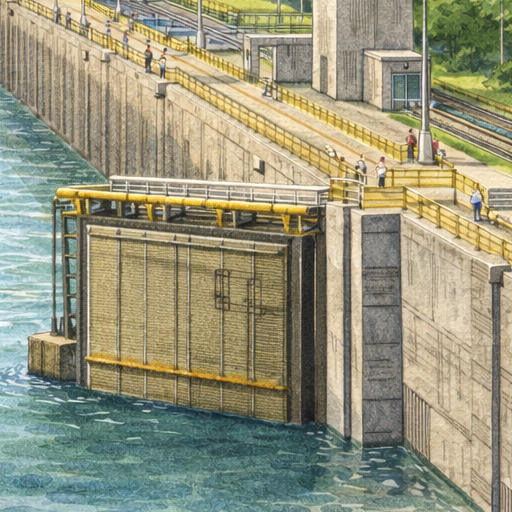
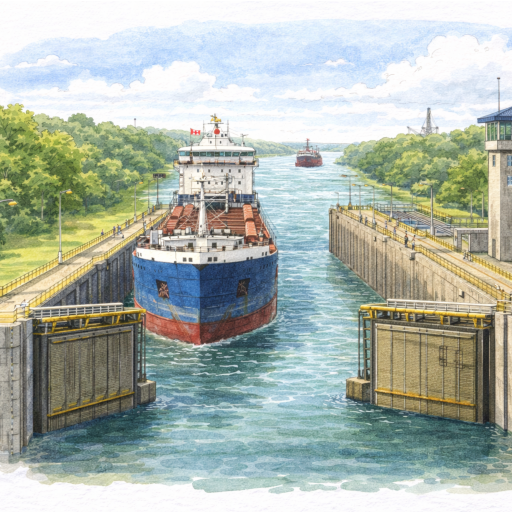
The SettingImage 2: A close-up or detailed shot that highlights a specific aspect of the story or subject. Caption 2: Explain the significance of the detail and how it fits into the overall story. Suggested image: The old Welland Canal route, now preserved as a park or trail. This image connects the modern canal to Merritt's original idea. Image 3: A wider shot that provides context or shows the subject in its environment. Caption3: Describe the setting and its importance to the story. Suggested image: A view of one of the modern lock chambers, gates, or control structures. This illustrates the engineering that lifts ships between lakes. |
|
|
|
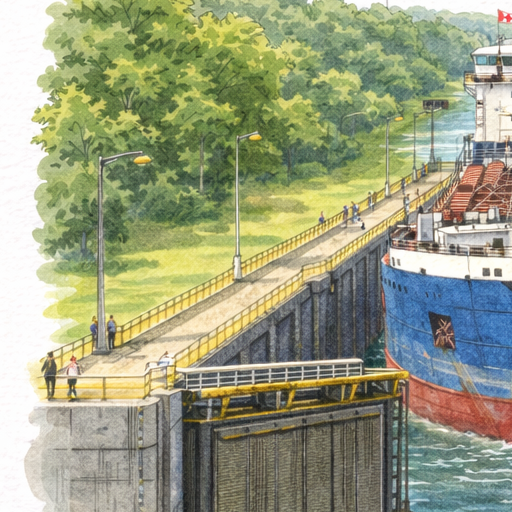
Interaction/ImpactPhoto 4: The Interaction Image : An image showing people interacting with the subject or within the environment. Caption: Explain the interaction and what it reveals about the subject or theme. Suggested image: Visitors watching ships pass through the locks, walking along the canal trails, or gathering at viewing platforms. Photo 5: The Emotional Impact Image: A photo that evokes emotion and connects the reader to the story on a deeper level. Caption: Highlight the emotions in the image and their relevance to the narrative. Suggested image: A large ship appearing to glide across land when viewed from a distance. This perspective makes the canal feel almost unreal and highlights the scale of the ships. |
|
|
The resolutionPhoto 6: The Resolution Image: An image that brings closure to the story, showing the outcome or conclusion. Caption: Summarize the conclusion and reflect on the overall story Suggested image: A map, museum display, or distant canal view showing how the Welland Canal connects to the St. Lawrence Seaway and the Great Lakes shipping network. |
Conclusion
Conclusion Text: A closing paragraph that reflects on the essay's message or impact. It can also provide a call to action or pose questions for further thought.
The Welland Canal is more than a shipping route. It is a reminder of how engineering, geography, and determination shaped the Niagara region. From William Hamilton Merritt's early vision to today's massive ships moving between the Great Lakes, the canal continues to connect people, places, and trade.
Credits
- Photographer Credit: Name of the photographer(s).
- Additional Credits: Acknowledge any other contributors, such as writers, editors, or sources of inspiration.
- Acknowledgments: Optional, to thank people or organizations who helped with the project.