Adult reading lesson, photo essays: Queenston Heights


Queenston Heights
Leisure and history - Photo Essay Layout Plan
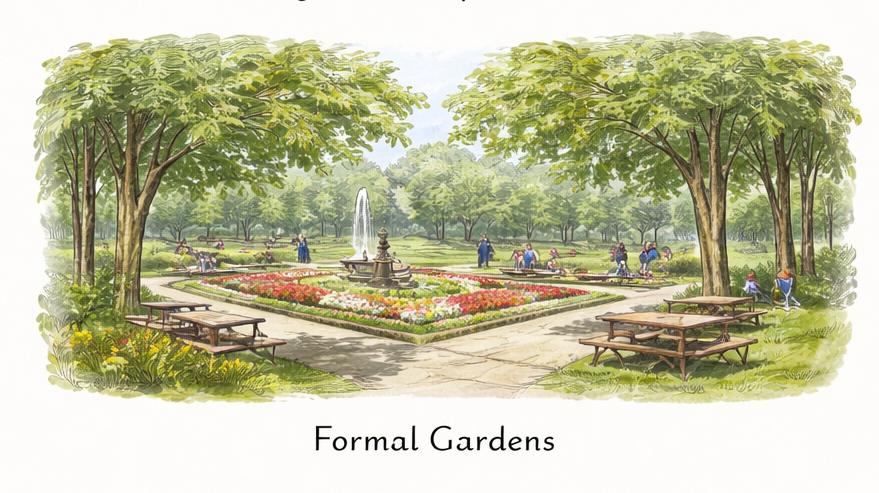
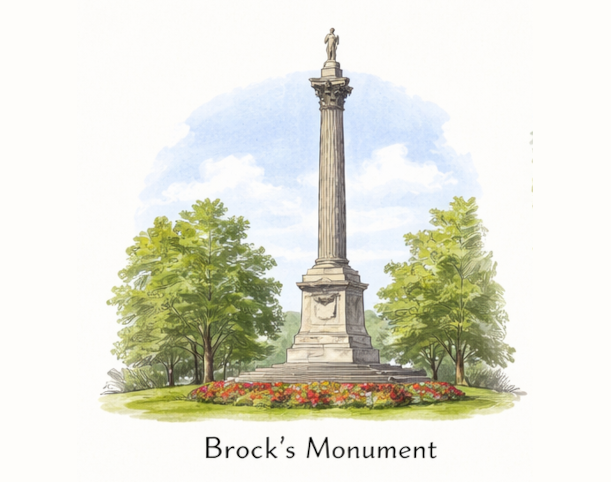
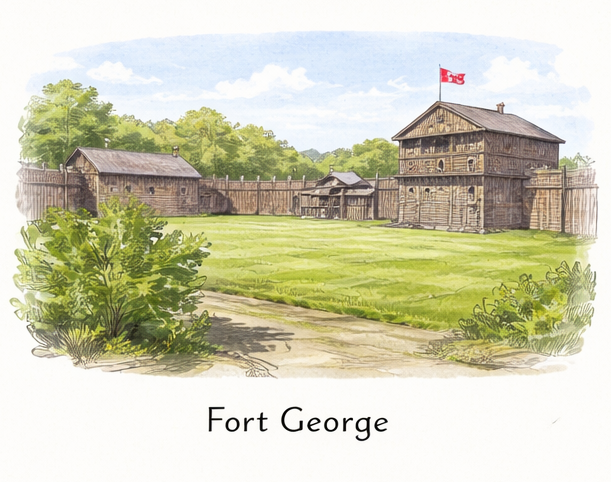
Queenston Heights Park brings together history, scenery, and recreation in one remarkable location. Perched atop the Niagara Escarpment, the park offers walking trails, picnic areas, gardens, and sweeping views of the Niagara River. It is also home to important historic landmarks and marks the southern end of the Bruce Trail, Canada's oldest and longest marked footpath.
|
A concise and engaging title that captures the essence of the essay.Introduction: A brief paragraph that introduces the topic or story. It should provide context and set the tone for the reader, explaining what the photo essay is about and why it matters. Image: Start with a strong, attention-grabbing image that introduces the main theme or subject |
|
|
The SettingImage 2: A close-up or detailed shot that highlights a specific aspect of the story or subject. Caption 2: Explain the significance of the detail and how it fits into the overall story. Image 3: A wider shot that provides context or shows the subject in its environment. Caption3: Describe the setting and its importance to the story. |
|
|
|
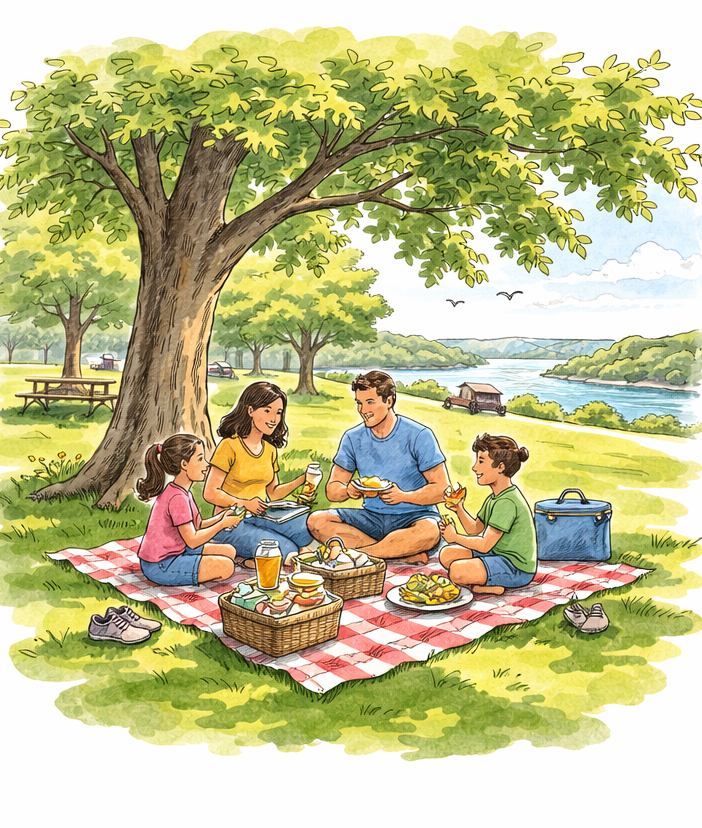
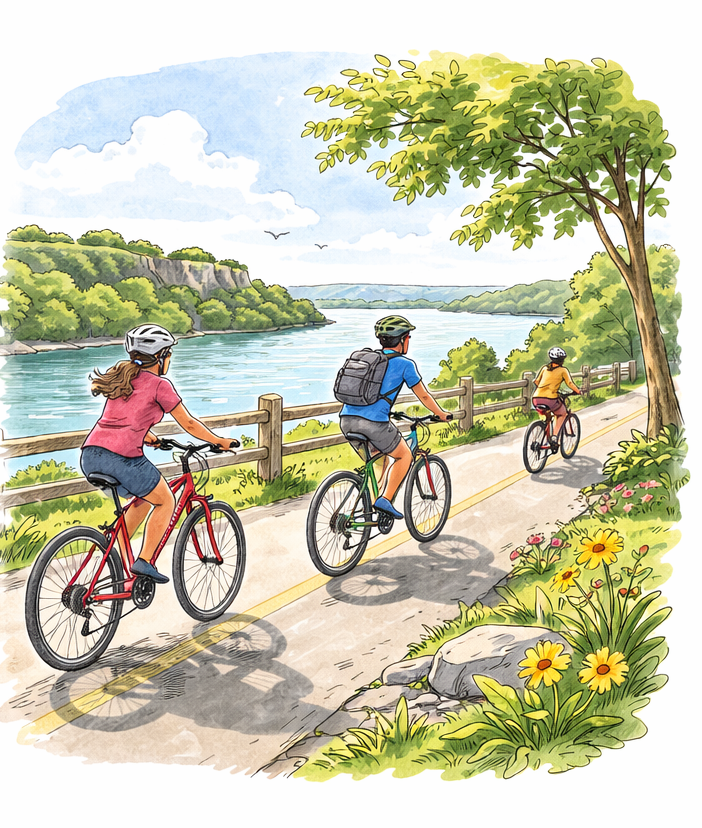
Interaction/ImpactPhoto 4: The Interaction Image : An image showing people interacting with the subject or within the environment. Caption: Explain the interaction and what it reveals about the subject or theme. Photo 5: The Emotional Impact Image: A photo that evokes emotion and connects the reader to the story on a deeper level. Caption: Highlight the emotions in the image and their relevance to the narrative. |
|
|
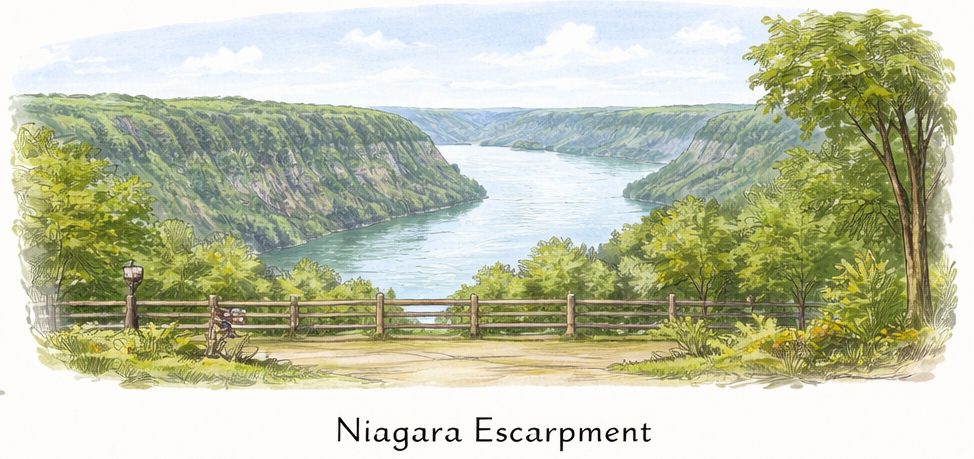
The resolutionPhoto 6: The Resolution Image: An image that brings closure to the story, showing the outcome or conclusion. Caption: Summarize the conclusion and reflect on the overall story |
Conclusion
Conclusion Text: A closing paragraph that reflects on the essay's message or impact. It can also provide a call to action or pose questions for further thought.
Credits
- Photographer Credit: Name of the photographer(s).
- Additional Credits: Acknowledge any other contributors, such as writers, editors, or sources of inspiration.
- Acknowledgments: Optional, to thank people or organizations who helped with the project.
How a Photo Essay Is Built
This page is a planning stub. It shows the structure of a photo essay before the real photos are added.
The Six-Photo Story Pattern
A strong photo essay often follows this pattern: Subject → Detail → Context → Action → Feeling → Reflection
The Rhythm (a simple rule)
Many photo essays also follow this visual rhythm: Wide → Close → Wide → People → Emotion → Quiet
Photo 1: Subject (The Opener)
Purpose: Answer: “What is this about?”
What to capture: A strong establishing image that introduces the main theme or place.
Photo 2: Detail
Purpose: Show one important feature up close.
What to capture: A close-up or detail shot that highlights something meaningful.
Photo 3: Context
Purpose: Show the setting and the bigger picture.
What to capture: A wider shot that shows the subject in its environment.
Photo 4: Action (Interaction)
Purpose: Show what people do here.
What to capture: People interacting with the place (walking, visiting, picnicking, exploring).
Photo 5: Feeling (Emotional Impact)
Purpose: Help the reader feel something.
What to capture: A photo that suggests mood (joy, calm, movement, awe, connection).
Photo 6: Reflection (Resolution)
Purpose: Bring closure and leave the reader thinking.
What to capture: A quiet closing image (often scenic, spacious, or reflective).
A Simple Shooting Tip
Take 3–5 photos for each slot. Later, choose the one that fits best.
An Extra (Optional) Challenge
Capture one unexpected photo (a small moment). Sometimes it becomes the best image in the essay.