Organization

Organization - Site Map
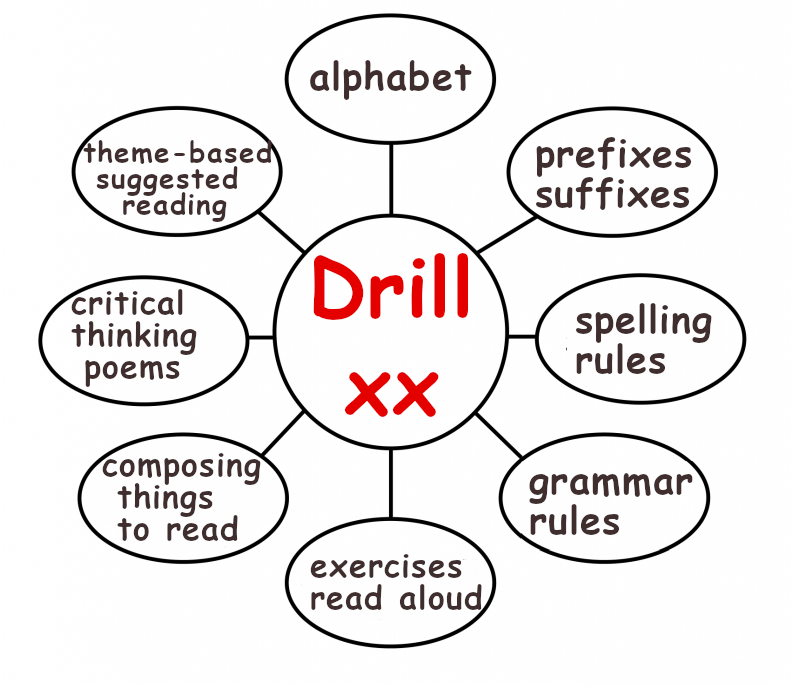
Once the purpose of the project and the audience are understood, the next step is to organize the information. A well-organized website helps visitors quickly find the material they need.
The structure of this literacy site is based on grouping related information together and guiding visitors through a clear learning path.
Organizing Principles
- Group related information. Lessons, exercises, and reference material are placed together so they are easy to find.
- Keep navigation simple. Visitors should be able to move through the site without confusion.
- Support both learners and coaches. Some pages focus on exercises, while others provide background or guidance for instructors.
- Allow flexible learning. Visitors can move through the materials in order, or explore topics that interest them.
Example Structure
The literacy site is organized into several major sections. Each section has a different purpose.
- Learning Exercises – practice activities that help visitors improve reading and spelling skills.
- Reference Pages – explanations of spelling rules, grammar ideas, and other helpful information.
- Theme Pages – real-world topics that connect reading practice to everyday knowledge.
- Coach Resources – guidance for people helping others learn to read.
Navigation and User Experience
The site is designed so that visitors can move easily between drills, explanations, and supporting materials.
Exercises often link to additional information such as spelling rules or grammar explanations. This allows learners to explore ideas more deeply when they need help.
Because many learners may be studying independently, the navigation must remain simple and predictable.
Challenges
- Some visitors may not know where to begin.
- Too many links or options could become confusing.
- The structure must support both guided lessons and independent exploration.
Overall Approach
The site is organized so that learners can focus on small steps at a time while gradually building their reading and writing skills.
By grouping related ideas and keeping navigation simple, the structure supports both learning and teaching.
Coach's Notes
Organization is an important part of both writing and teaching. When information is clearly organized, learners can focus on understanding the material instead of trying to figure out where things are.
Discussion questions:
- Why does organization matter when presenting information?
- Have you ever visited a website that was confusing to use? What made it confusing?
- What makes information easy to find?
Activity:
Ask the learner to imagine they are creating a small website about one topic they enjoy (for example: gardening, sports, pets, or cooking).
Have them list three sections the website would need.
- What would visitors learn in each section?
- Which section should appear first?
- How would visitors move from one section to another?
This exercise helps learners understand that organizing information is part of communicating clearly.
- Website Planning
- Project: guidedreadingjourney.com - a rogue literacy site
- Date: 2019-2024
The steps for planning a document are summarized in the Researching and Gathering Information Chart and the Organizing Information Table from: Markel, Mike. Technical Communications, Bedford/St. Martin's, Boston, MA 2010.