Clear, concise, short messages


Clarity
Being Easily Understood
Writing with clarity is a challenge. How can we write to be easily understood? Follow along with some guidance below and hone your skills with practice exercises. Once you master writing with clarity, the skill will serve you well in any communication.
From the Merriam-Webster Online Dictionary:
- Clarity: The quality of being expressed in a very exact way; being easily understood.
- Concise: Using few words; not including extra or unnecessary information.
- Complete: Having all necessary parts; not lacking anything.
Writing should always be clear, concise, and complete. How do we achieve it?
- Divide information into small, concise topics or steps and use headings to identify topics.
- Construct clear paragraphs that flow easily and guide the reader through the information.
- Use lists and tables to summarize lengthy information.
- Include supporting information like definitions and diagrams.
Concise Topics and Headings
Headings should clearly announce the topic that follows. When headings are complete and clear, readers can jump ahead and back through the text to find information quickly. Use text decoration and font sizes to make headings stand out. If possible, use heading hyperlinks. Break larger topics into smaller parts using subheadings.
Concise Paragraphs
Concise paragraphs are written using concise sentences. When composing sentences, use words your audience will understand. Don't clutter your sentences with too many words. Emphasize important information with text decoration and repetition. Keep things interesting by varying the structure of your sentences within the paragraph.
A paragraph is a group of sentences that describe a single topic for your reader. Start the paragraph with a sentence introducing the topic. Next, provide a few sentences to describe, elaborate, or support your point. Leave conclusions for the final sentence and prepare your reader for the next topic.
Using Lists and Tables
Use tables and lists to provide a visual cue to readers when describing items or sequenced events. Lists and tables are considered less formal than paragraphs, but in most modern documents, they are widely accepted. They are easier to read and memorize than paragraphs and make excellent study aids for students. Regardless of formality, your readers will appreciate an easy-to-read summary of information or steps.
Definitions and Diagrams
Suppose you must describe baseball to someone who has never played and is completely unfamiliar with the game. Likely, you would start by defining a few terms like inning or pitcher. At some point during your explanation, you might stop and draw an illustration.
“Definitions and diagrams help specialists communicate with less-knowledgeable readers.”
Writing definitions and finding or drawing a good illustration are great practice exercises for making information easy to understand. Markel provides these guidelines:
- Don't be too general when defining something specific.
- Don't be too specific when defining something general.
- Avoid being circular.
- Use crisp nouns and noun phrases.
Examples of Definitions
1. Don't be too general when defining something specific.| Not Well-Defined | Better | More Detailed |
| “A Bunsen burner is a burner that consists of a vertical metal tube connected to a gas source.” | A Bunsen burner is an adjustable gas tabletop heater designed for use in laboratories. |  A Bunsen burner is an adjustable gas tabletop heater designed for use in laboratories. It is named after its inventor, Robert Bunsen. A Bunsen burner is an adjustable gas tabletop heater designed for use in laboratories. It is named after its inventor, Robert Bunsen. 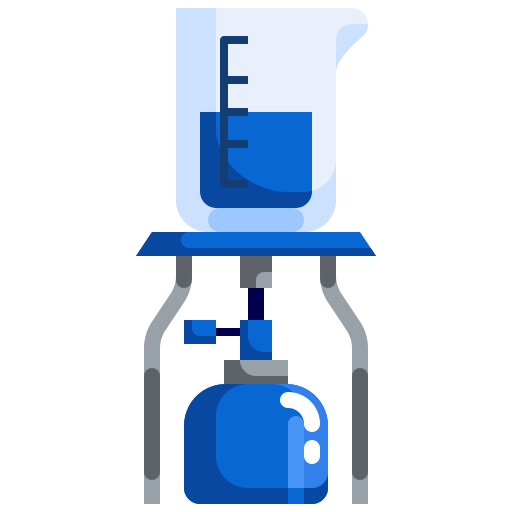 By adjusting the amount of air that mixes with gas at the base of its vertical shaft, the user can control the temperature of the flame applied to beakers and test tubes, achieving low to intense heat. By adjusting the amount of air that mixes with gas at the base of its vertical shaft, the user can control the temperature of the flame applied to beakers and test tubes, achieving low to intense heat. |
| Not Well-Defined | Better | More Detailed |
| A car is a vehicle for transportation that sits up to four people and is powered by gasoline. | An automobile is a motorized wheeled vehicle designed to transport a small number of passengers—usually under 15—across land. | An automobile is a motorized wheeled vehicle designed to transport a small number of passengers—usually under 15—across land. Automobiles come in all shapes and sizes to suit economic and personal styles, from small two-seater economy cars to large vehicles for families and tough jobs.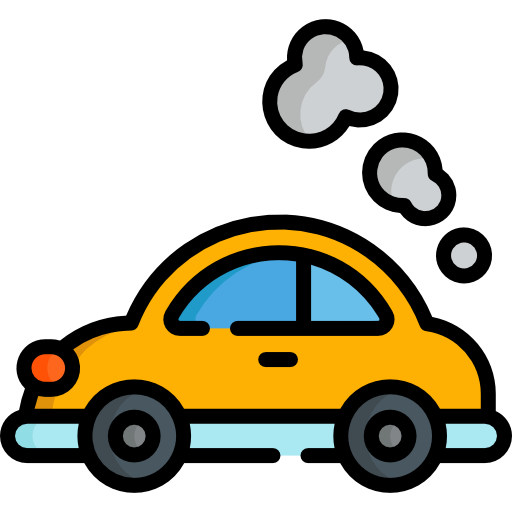 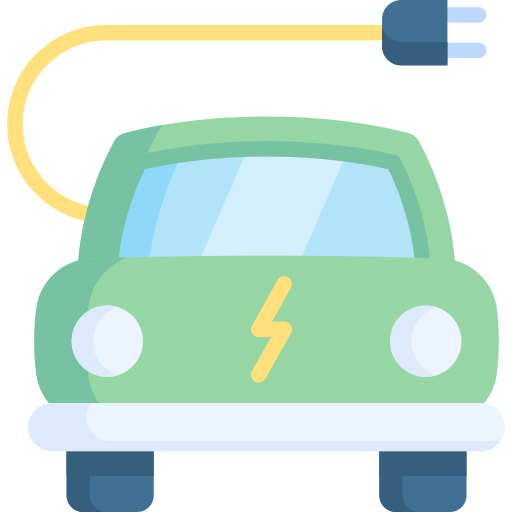  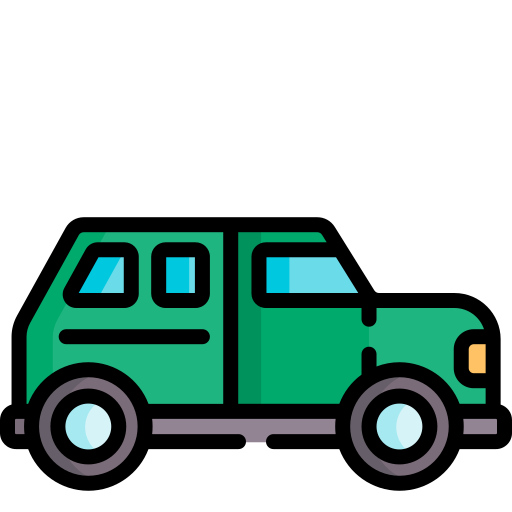  |
3. Avoid being circular.
| Not Well-Defined | Better |
| "A required course is a course that is required." | A required course must be completed successfully before a student can advance or graduate. |
Are the above definitions clear, concise, and complete?